Which patio chairs are easiest to move and store?
The easiest patio chairs to move and store are lightweight stackable chairs, followed by folding chairs and slim resin designs with open frames. For everyday use around patio dining tables, stackable resin chairs are often the simplest choice: they lift with one hand, clean quickly, and take up far less space than bulky cushioned seating when the season ends.
What makes a chair easy to handle is not just low weight. Shape matters just as much. A chair with a compact frame, straight sides, and no loose cushions is quicker to carry through a gate, tuck into a shed, or line up along a wall. A chair that looks small in a photo can still be awkward if the arms flare outward or the legs do not nest cleanly.
Start with weight and frame shape
Patio chairs that are easy to move usually have frames made from resin, aluminum, or another light material. Resin is common in outdoor dining settings because it can be molded into smooth shapes, with fewer separate parts to catch on clothing or neighboring chairs. Aluminum is also light, though it can feel cooler to the touch and may mark more easily if dragged across rough paving.
Weight is worth checking before buying, especially if the chairs will be moved by different people. A chair that feels manageable when lifted from a display can become tiring when it has to be carried across a yard several times. The goal is not the lightest chair at any cost. Very flimsy chairs can feel unstable, shift on windy days, or flex when someone sits down.
A good middle ground is a chair that feels solid when seated but can still be picked up without bracing both hands under the frame. Pay attention to where the chair balances. Chairs with a wider seat, a gently curved back, and molded arms often sit comfortably in the hand. Chairs with thin, slick edges may be light but harder to grip.
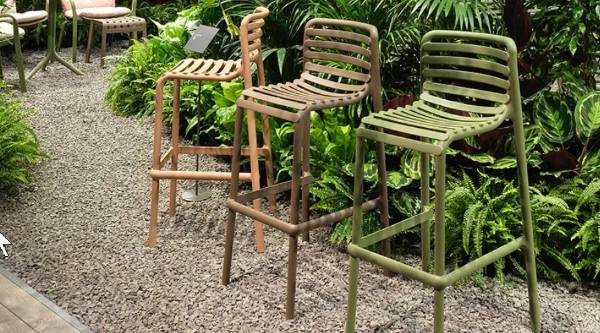
Frame shape also affects storage. Stackable chairs need legs and backs that align cleanly. Folding chairs need hinges that stay put when opened and fold flat without pinching. If a chair has a decorative angled back or wide arms, it may not stack as high or fit into a narrow storage area.
Stackable chairs are usually the easiest for regular use
For most patios, stackable chairs offer the best balance. They can be pulled up around patio dining tables during a meal, then collected quickly afterward. That matters when the table sits on a deck, terrace, or small balcony where there is no spare room for chairs to remain scattered.
Nardi and similar lines of resin outdoor furniture are often designed with this practical pattern in mind. Clean profiles, molded seats, and stackable forms make them useful where chairs need to be reset often. This does not mean every stackable chair suits every space. The finish, seat depth, and arm shape still need to match the way the dining area is used.
Stacking also reduces clutter. A set of chairs stored vertically against a wall takes far less floor space than the same chairs arranged loosely around a table. In a garden or pool setting, that can leave more room for walking, especially where paving edges, planters, or umbrellas already narrow the route.
There is one detail to watch: not all stackable chairs stack neatly with older or differently shaped models. If extra chairs may be added later, keeping the same style is often simpler. Matching chairs are easier to align, and the stack is less likely to lean or wobble.
Folding chairs win when storage space is tight
Folding chairs are the clear choice when the chairs must disappear into a closet, garage shelf, or under a bench. They take up little depth once folded and are easy to bring out only when needed. For smaller patios, that can be more useful than a stack that still needs a permanent corner.
The trade-off is comfort and rigidity. Many folding chairs have thinner seats and less supportive backs than molded dining chairs. Some also creak or shift when weight moves across the frame. A folding chair with a broad seat, a stable hinge, and a back that supports the lower spine will feel more like dining seating and less like temporary seating.
Folding designs also need a dry place between uses. Moisture around hinges can leave marks or make the fold stiff over time. A quick wipe before storage helps, but the better choice is a chair that can be folded and stored somewhere with airflow rather than pressed against a damp wall.
What to check before choosing
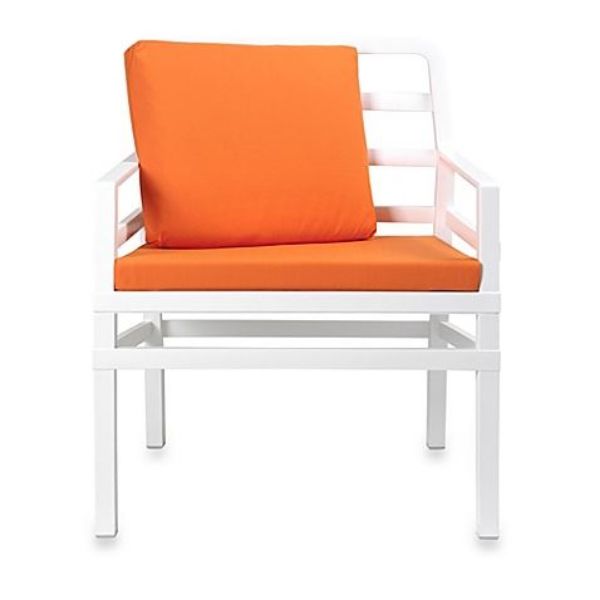
chair dimensions deserve a close look, particularly seat height, seat depth, and overall width. Chairs that are too low can be hard to rise from, while chairs that are too deep may crowd the table. Width matters when several chairs sit side by side, because tight spacing can make the dining area feel cramped even if the table itself fits.
Table height is the other half of the fit. A dining height table pairs with chairs that let the forearm rest comfortably near the tabletop. If the chair is too low, the shoulders rise. If it is too high, the knees may crowd the apron or legs of the table. Matching the chair to the table prevents the small daily annoyances that become obvious during long meals.
Weather resistance is also part of easy handling. Chairs that can stay outdoors through normal use need less moving in the first place. Resin surfaces are often chosen for patios, pool areas, and gardens because they wipe down easily and do not need the same routine as fabric cushions. The key is to check drainage. Seats and backs with small openings or molded channels dry faster after rain than designs that trap water.
Seat comfort should not be ignored in the search for convenience. A chair that is simple to store but uncomfortable will either go unused or be replaced. Smooth resin can feel firm, so a slightly contoured seat often makes a noticeable difference. If cushions are added, storage becomes more involved, and the chairs may need covers or a dry cabinet.
Maintenance needs are usually lower with resin patio furniture than with seating that combines many materials. A simple wipe is often enough for routine care, though grit on paving can scratch surfaces when chairs are dragged. Lifting the chair instead of pulling it keeps the legs and seat finish in better shape.
Matching the chair to the patio layout
The best chair depends on how the outdoor space works. A large dining patio with room for permanent seating can support heavier chairs with wider frames. A small balcony or a poolside dining nook benefits from slim chairs that tuck close to the table and stack in a corner.
Think about the route from storage to table. Gates, steps, planters, and outdoor rugs can turn an easy chair into a nuisance if the path is narrow. Chairs with arms may need more clearance than armless chairs. Chairs with tall backs may catch on umbrellas or low branches. A quick mental walk through that route often reveals more than a product description.
For commercial spaces, stacking height and consistent shape matter even more. Chairs that align predictably can be cleared from a dining area at closing time without a lot of adjustment. In a home setting, the same quality is useful after gatherings, when chairs need to be put back before the space is used for something else.
If the table stays in one place all season, chairs that nest neatly beside it may be enough. If the table is moved often, lighter chairs with simple shapes are easier to handle. The point is to match storage habits to real use, not to choose a chair only because it looks compact.
A practical way to decide
Picture the chair at the busiest moment: people seated, dishes on the table, and somewhere to put the chairs afterward. A stackable resin dining chair usually makes that moment easiest because it is light, firm, and quick to line up. A folding chair is better when storage is very limited. Cushioned or heavy framed chairs suit spaces where comfort matters most and the seating can stay put.
Before settling on a style, check the chair weight, the stacked or folded size, the seat shape, and the clearance under the table. Those details predict daily use better than appearance alone. A chair that is easy to lift, easy to clean, and easy to put away will get used more often, and it will make the dining area feel calmer when the meal is over.